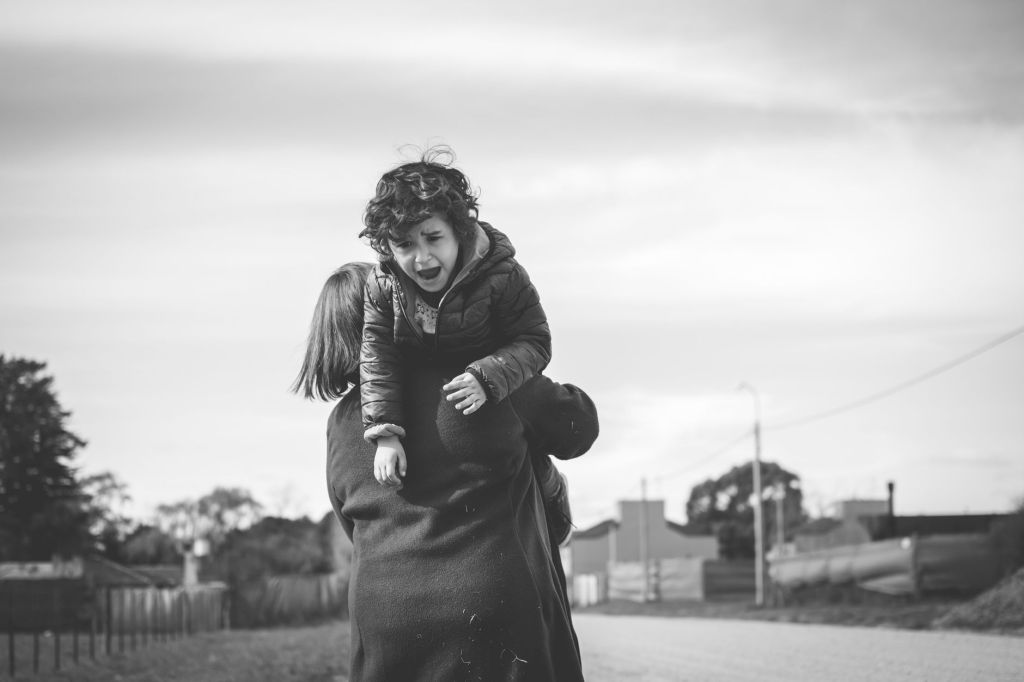
When we discuss inclusion and accessibility in public spaces, we often think of physical modifications for adult bodies. Curb cuts. Elevators. Automatic doors.
But we rarely ask a fundamental question:
Are our public environments accessible to children?
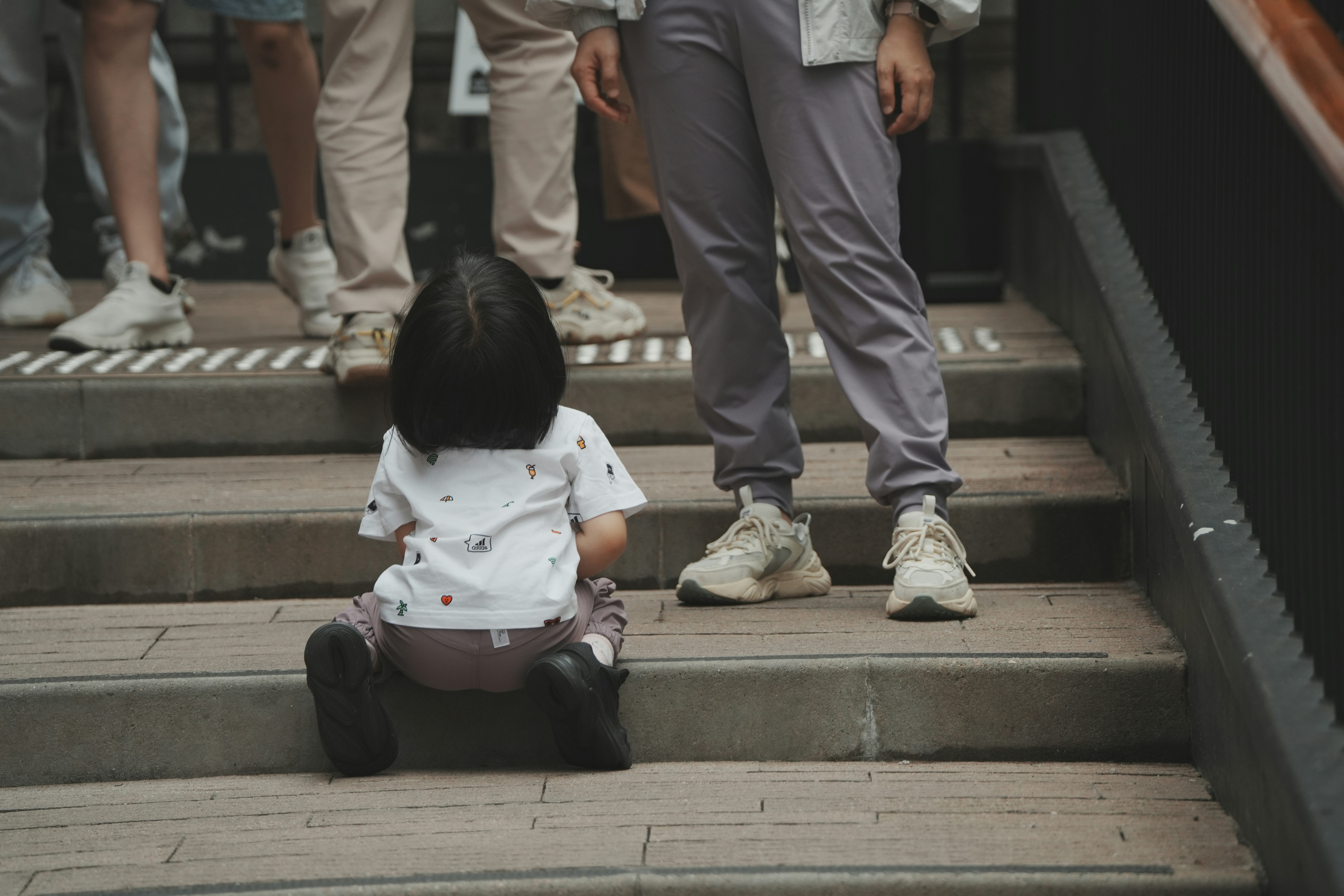
Accessibility means ensuring that every member of society can safely exist, navigate, and belong in public. Children are not temporary citizens-in-waiting; they are active, present members of our communities right now. Yet, the way we design our cities, shopping centers, and public squares often sends a clear message to families: children and their natural developmental behaviors are not welcome here.
To build a society that truly values children, we must understand that infrastructure changes first. The way we construct our shared spaces dictates how we treat the people within them. By redesigning our physical environments to accommodate developmentally appropriate childhood behaviors, we can reduce parental stress, support healthy brain development, and shift how society views children.
This spatial inequity is directly tied to the Social Determinants of Health (SDOH)—the non-medical, environmental conditions that profoundly shape long-term well-being. When civic and commercial infrastructure excludes children, it transforms everyday neighborhoods into high-friction zones that structurally drive parental isolation and developmental stagnation.
The Hostility of the Adult-Centric Built Environment
For a young child, the world is a sensory landscape intended for exploration. Their brains are in a state of rapid development, and they learn by interacting, moving, testing boundaries, and expressing big emotions, all of which are completely developmentally appropriate.
However, our current public infrastructure is largely designed for adults and optimization. When children behave like children in these spaces, they are shunned and parents are judged.
Defensive and Hostile Design
According to an academic overview on the societal impacts of defensive urban design by EBSCO Research Starters, the built environment is frequently weaponized against youth simply occupying space. This ranges from segmented benches that prevent play to auditory deterrents like “Mosquito” devices, which emit high-frequency alarms designed to drive young people away.
The “Silent” Hostility of Absence
Hostility also exists as an absence of amenities. A lack of open green areas, wide pathways, family restrooms, and interactive public zones forces children to remain static and quiet.
The Burden of Constant Regulation
When a physical space does not tolerate a child’s natural movements or volume, the burden of regulation falls entirely on the parent. Caregivers must expend constant cognitive energy policing their children to conform to adult standards, turning a simple outing into a stressful tightrope walk.
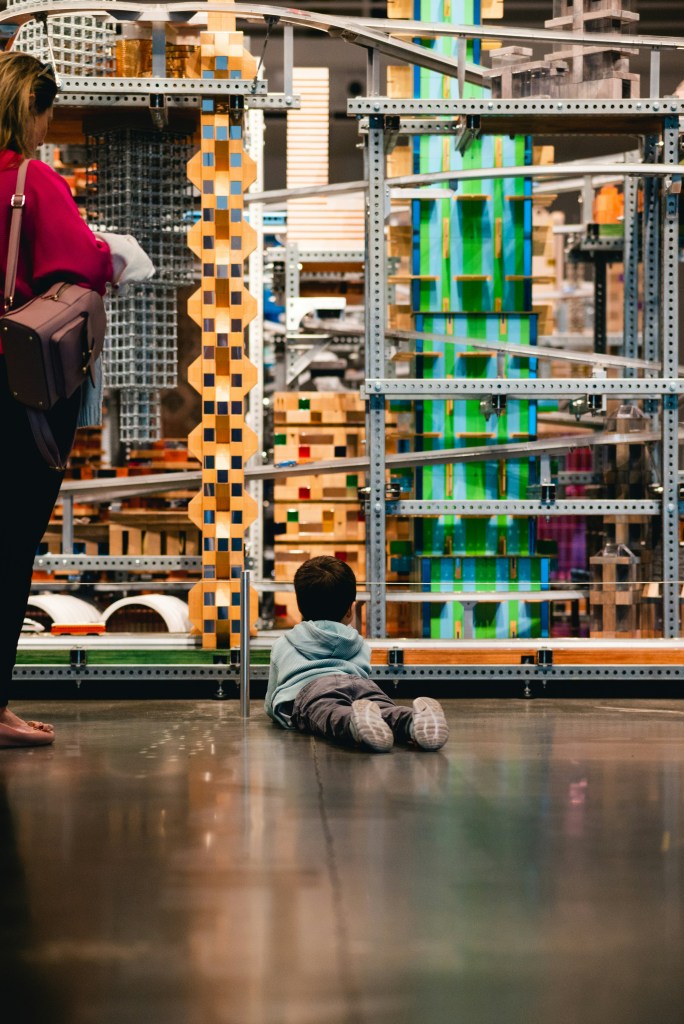
The Cognitive Toll on Families: Why They Choose Isolation
When the physical environment is hostile to children, it triggers a chain reaction of isolation and psychological distress for the entire family.
Hostile/Adult-Centric Space
Hyper-vigilance & Public Stigma
Parental Burnout & Exhaustion
Avoidance of Public Spaces
Social Isolation
When a child inevitably expresses a big emotion—like a tantrum or a burst of loud excitement—in a space not built for them, parents are met with societal judgment. This perception that children should be “seen and not heard” breeds hyper-vigilance.
To avoid the exhaustion of constant containment and the sting of public stigma, parents frequently make the difficult decision to stay home. This retreat dramatically shrinks the family’s “activity space.” By self-isolating, parents lose access to organic support networks, and children lose the vital social play and environmental stimulation required to build healthy neural pathways. As established by core childhood equity frameworks from the National Association for the Education of Young Children (NAEYC), young children have foundational physiological and environmental needs for movement and sensory stimulation that must be structurally accommodated to prevent developmental stagnation.
The Power of Inclusive Design: Why Infrastructure Must Lead
We cannot simply ask society to be more patient with children if our physical environments continue to demand their exclusion. Attitude follow infrastructure. When we intentionally design spaces to include children, we change how society perceives them.
In global guidance published jointly by the World Health Organization, UNICEF, and UN-Habitat, child-friendly urban and spatial design is recognized as a fundamental equity issue that directly drives long-term mental health. Additional data compiled by the UNICEF Children’s Environmental Health Collaborative confirms that access to safe, inclusive public infrastructure is a core child right under Article 31 of the UN Convention, serving as a primary driver for cognitive and emotional development. When we build spaces that expect children, we normalize their presence.
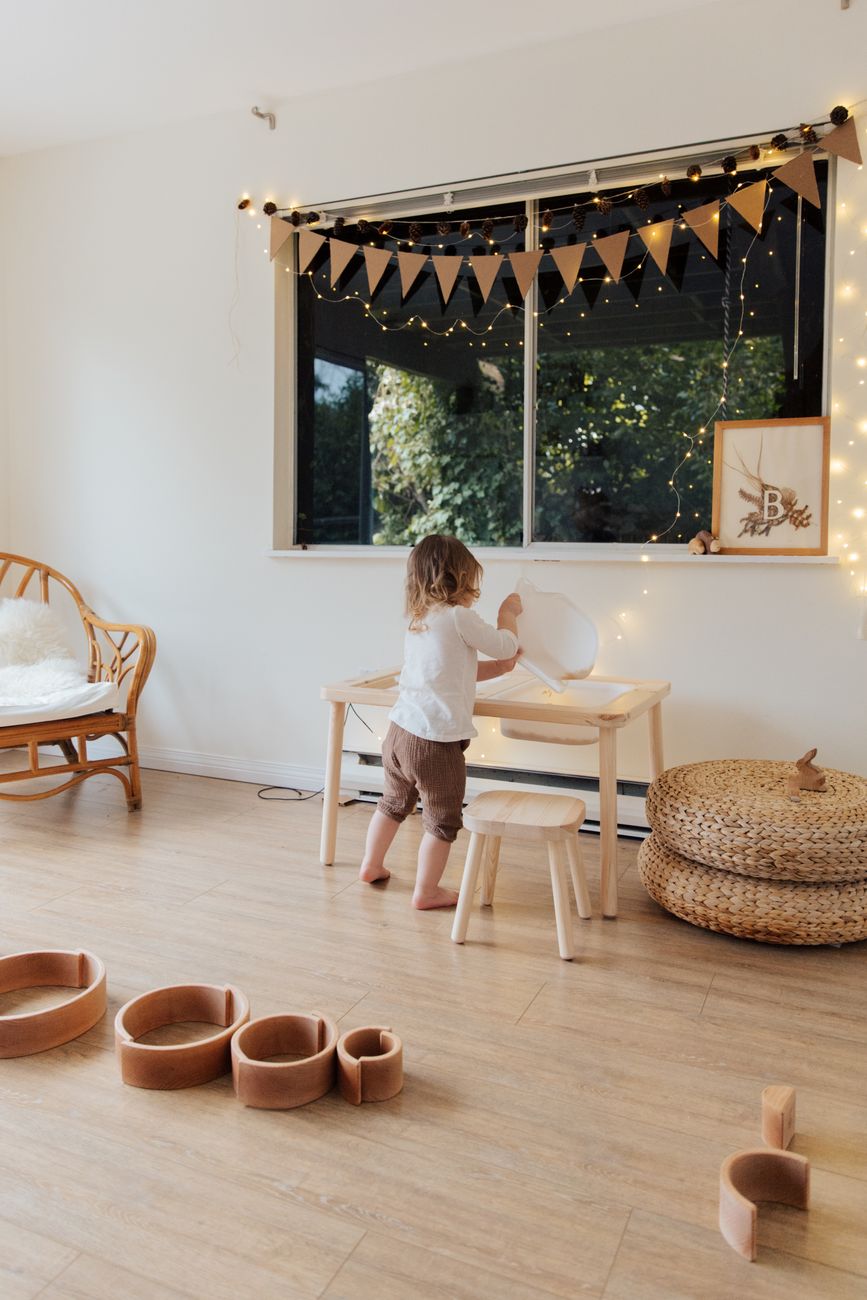

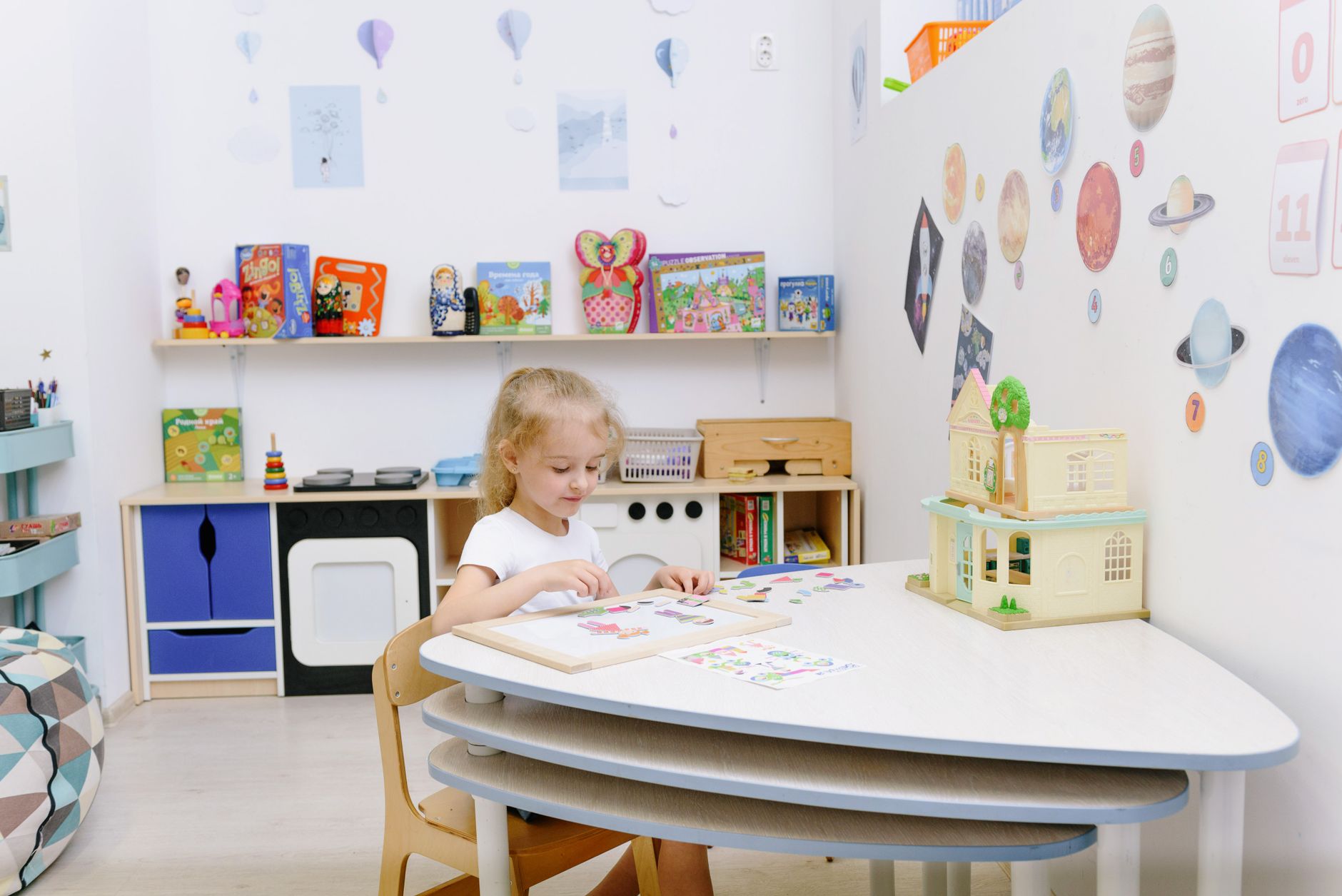
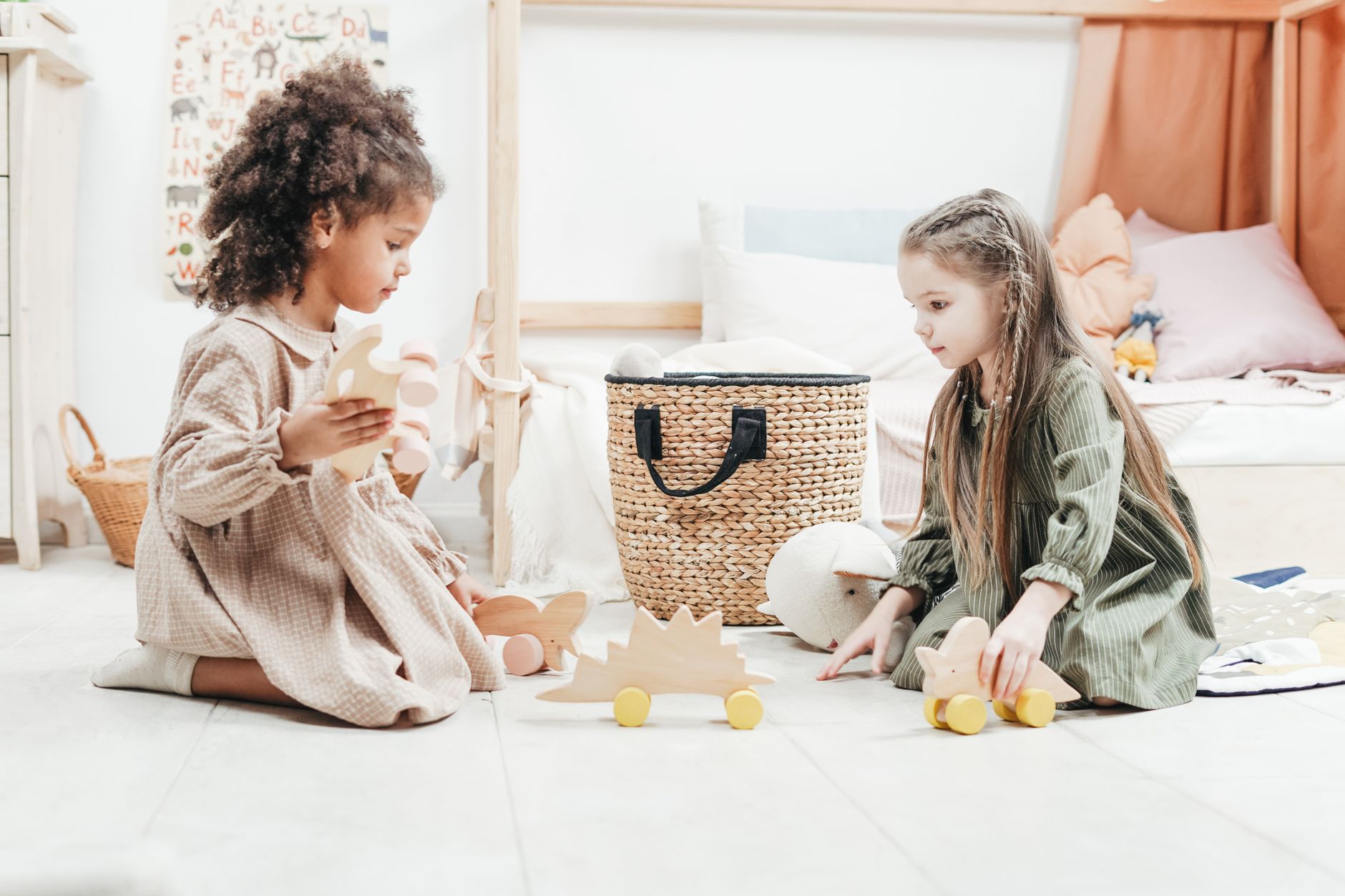
Designing for the Developing Brain: Outlets vs Outbursts
When we look deeper into behavioral psychology and environmental design, the architecture of a space directly dictates the baseline behavior of the children within it. Environmental stress research demonstrates that children possess fewer self-regulation mechanisms than adults, making them highly reactive to physical constraints.
When a space provides zero physical or sensory outlets, a child’s neurological system becomes overloaded. This direct link between infrastructure and behavior can be broken down into two distinct mechanics
When an environment lacks appropriate physical or sensory outlets, a child’s nervous system rapidly becomes overstimulated. Empirical research demonstrates that highly restrictive, adult-centric built conditions actually deplete a child’s capacity for self-regulation. This depletion is a direct precursor to behavioral breakdowns.
The Proactive Behavioral Outlet
Environmental frustration accumulates when children are forced into prolonged periods of physical restriction. By embedding pocket parks, sensory pathways, and interactive physical features directly into everyday commercial and transit spaces, we provide children with a constructive sensory release.
According to research published in Attention Restoration Theory (ART) literature, environments optimized for natural curiosity and involuntary attention allow a child’s executive functioning resources to recover. When civic infrastructure provides children with constructive, active spaces to express energy, they are structurally supported in their self-regulation. Consequently, they are significantly less likely to experience the emotional dysregulation or frantic overstimulation that manifests as a public outburst or tantrum.
The Spatial Validation Effect
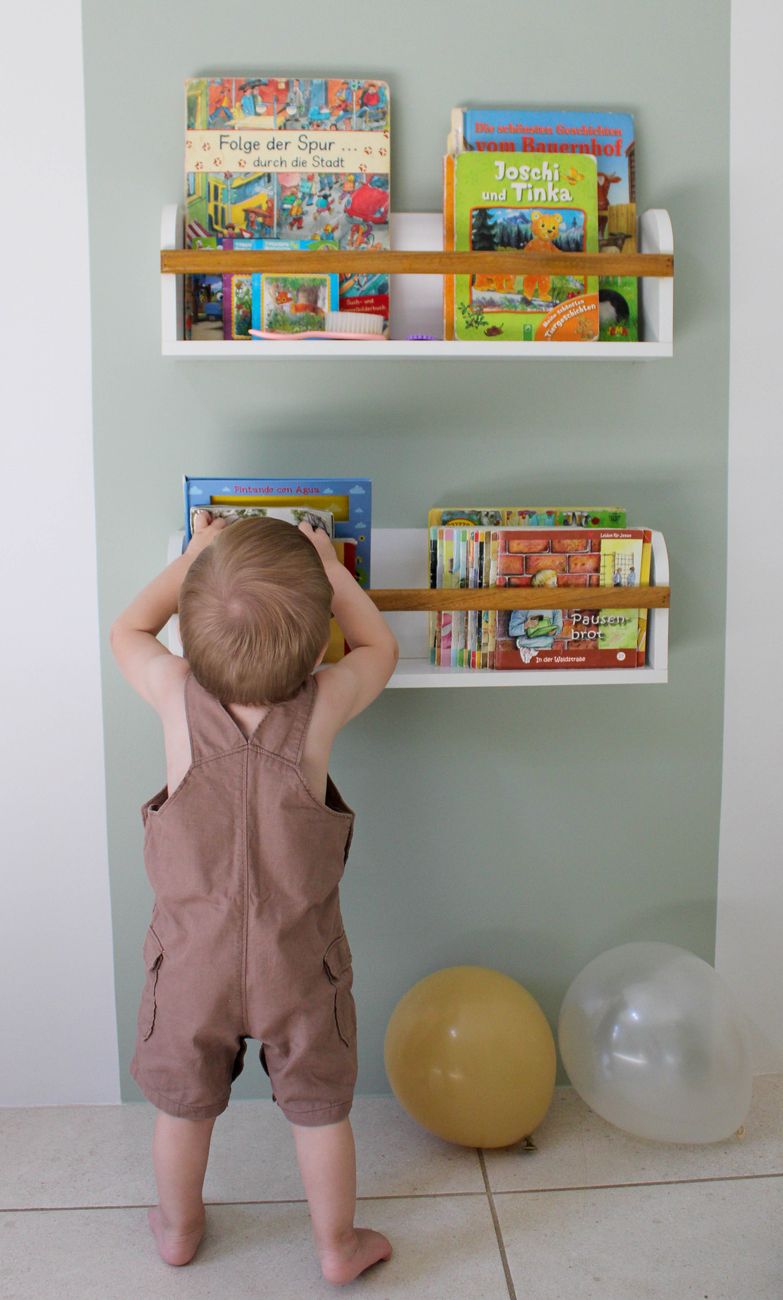
The architectural design of a community space alters the social psychology of everyone inside it. Incorporating dedicated, enclosed play areas or clear child-centric features—such as child-sized grocery carts, low-level handrails, or restroom step stools—functions as a visual cue.
As explored in studies on public space perception within intergenerational environmental psychology, the explicit integration of dedicated childcare and play spaces serves as a powerful symbolic validation. This visible infrastructure signals to onlookers, business patrons, and community members that children are valued citizens who explicitly belong there. By physically normalizing the presence of children, the architecture shifts the surrounding community’s mindset from hostile tolerance to shared celebration, effectively neutralizing public stigma and shielding parents from external judgment.
Ultimately, how we build our communities reveals exactly how much we value the people within them. If civic and commercial spaces are constructed exclusively for adult utility, we structurally enforce the isolation of young families and pathologize normal childhood development.
The architecture of belonging requires us to recognize that child-friendly infrastructure is an active intervention. When public design provides children with the outlets they naturally require, it minimizes behavioral friction, alleviates parental hyper-vigilance, and builds a more empathetic social fabric. By modifying our physical surroundings to welcome our youngest citizens, we stop demanding that families hide away, and we begin building a society where everyone truly belongs.
Integrating interactive, child-friendly play infrastructure into our shared spaces delivers a compounding return on investment for public health and community resilience. Providing accessible sensory outlets accelerates gross motor skill development, lowers pediatric cortisol levels, and fosters early cognitive pathways tied to spatial awareness and emotional self-regulation. Ultimately, when an environment accommodates a child’s natural need for active play, it builds a healthier generation of citizens while simultaneously strengthening parental mental health, elevating community empathy, and establishing a sustainable foundation for lifelong societal well-being.
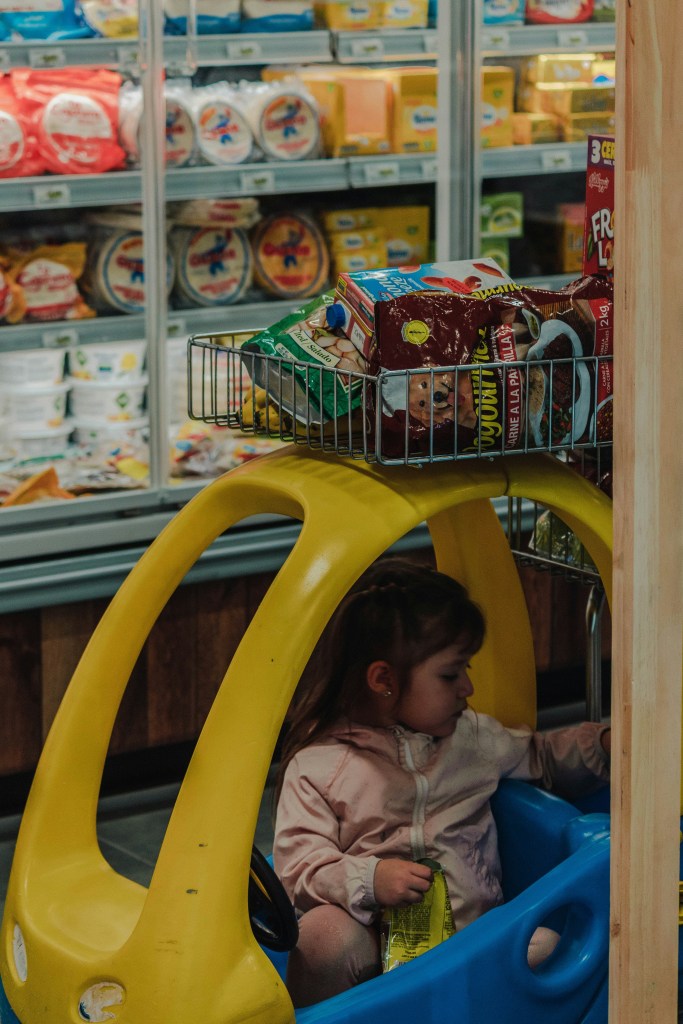
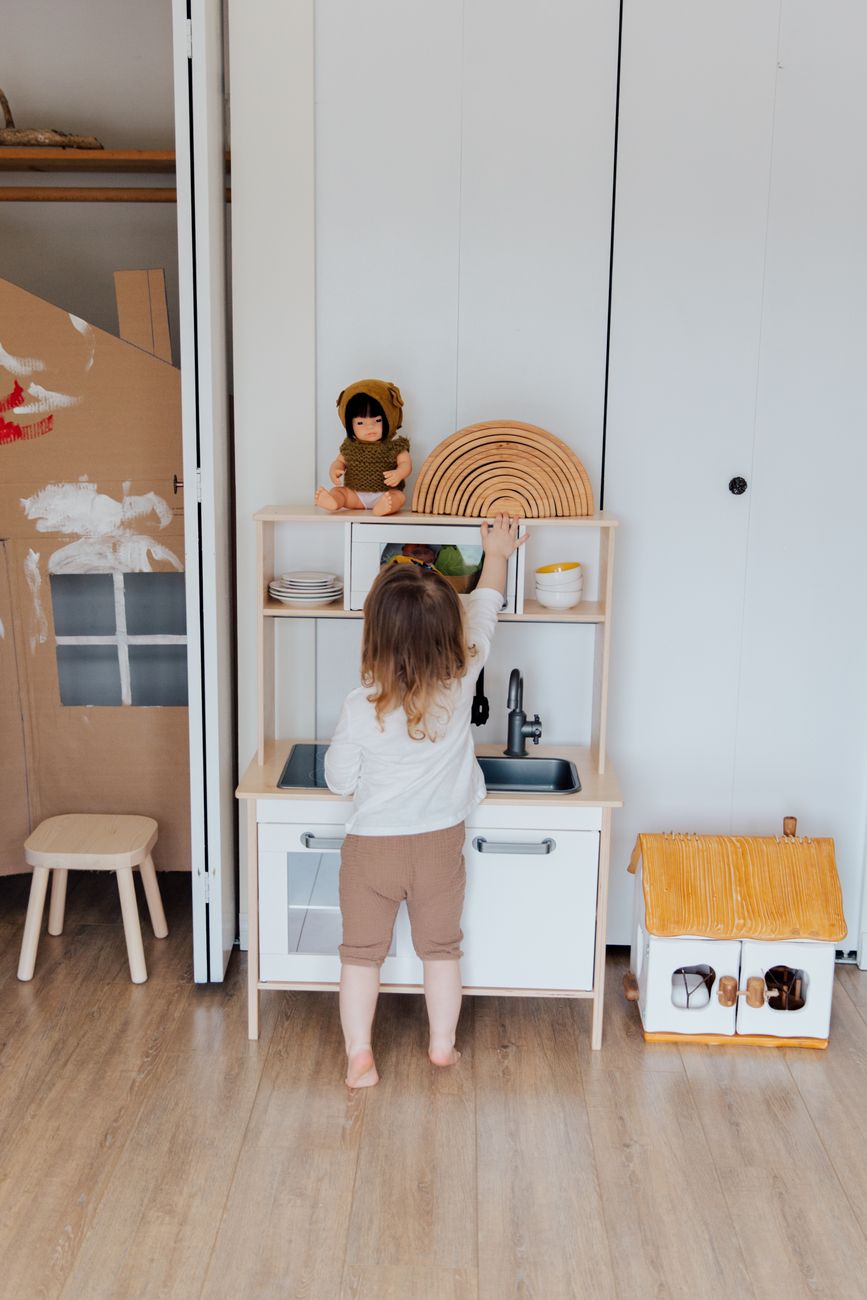
Normalizing Childhood Behaviors: When a grocery store has small, child-sized carts, or a public transit hub has low-level handrails and step stools in the restrooms, it tells the public: Children are citizens who belong here. This visible infrastructure actively shifts societal expectations, transforming public perception away from tolerance.
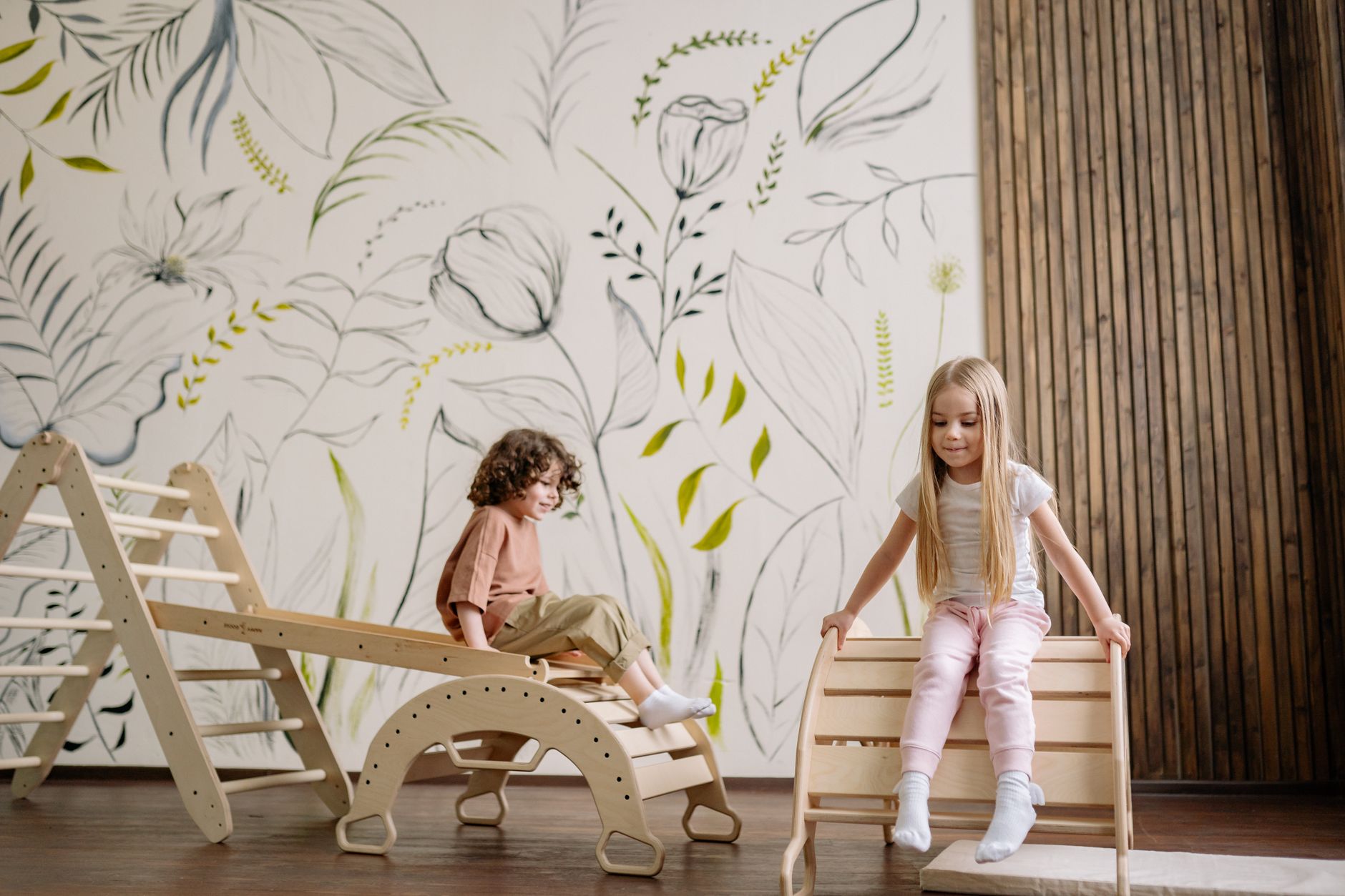
Integrated Play Opportunities: Embedding pocket parks, sensory pathways, and interactive physical features directly into everyday commercial and public transit spaces allows children to engage in active play. Play is the primary vehicle through which children learn self-regulation, spatial awareness, and social boundaries.
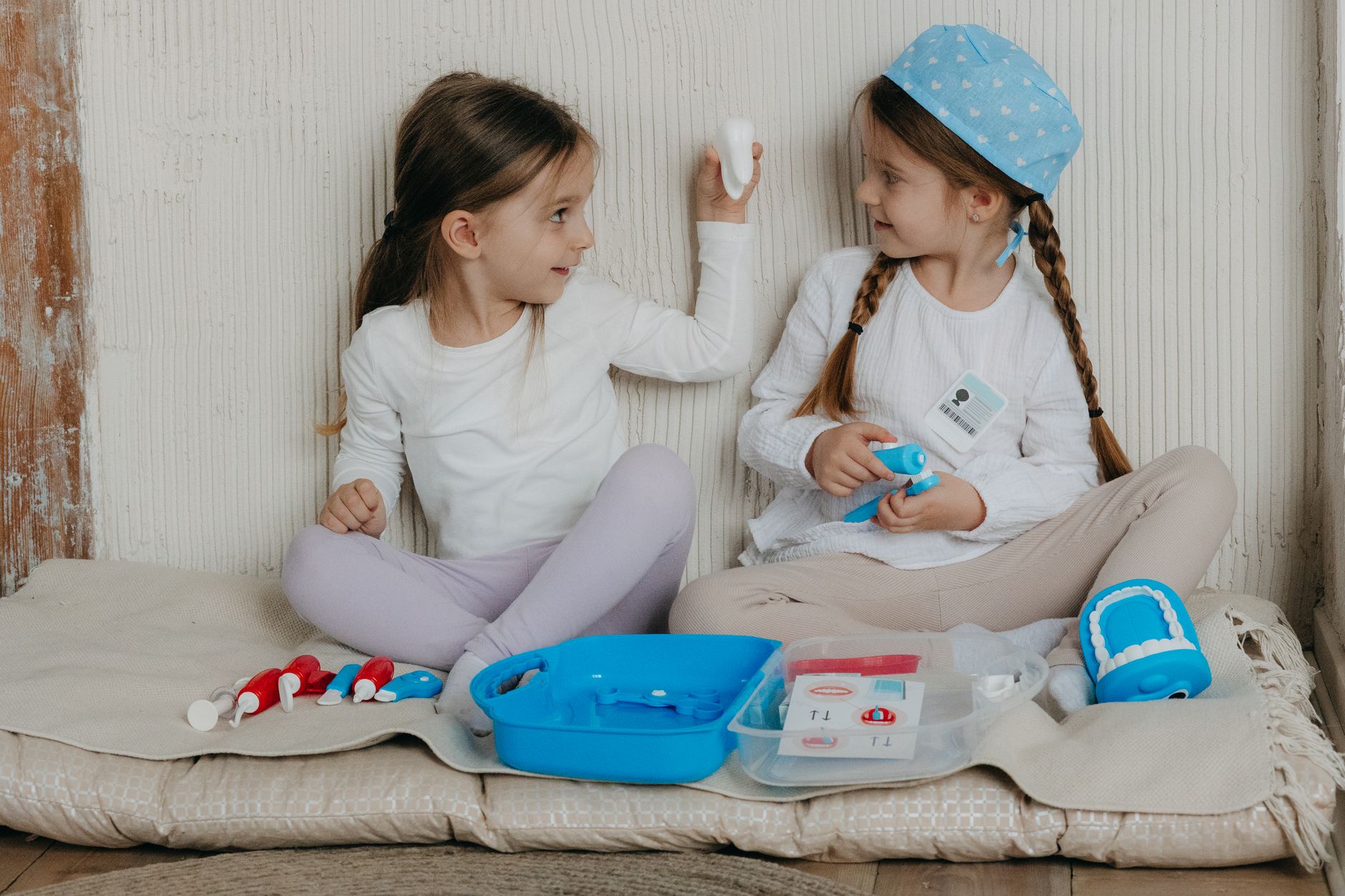
Dedicated “Yes” Spaces: When a business or public infrastructure provides a designated, enclosed play area or a low-stimulus sensory room, it creates a “Yes” space. Here, parents can lower their guard, knowing their child can move safely without constant correction. This dramatically lowers parental cortisol levels and fosters positive parent-child interactions.
Designing the Solution: Infrastructure as Intervention
Incorporating family-centered infrastructure produces measurable benefits for both child development and parental well-being,
| Feature | Immediate Benefit to Children | Long-term Public Health Outcome |
| Integrated Sensory Pathways & Pocket Parks Mother’s Rooms | Provides a constructive, immediate outlet to release accumulated physical energy and lower nervous system overstimulation. | Reduces rates of childhood obesity and lowers the baseline risk of early-onset pediatric anxiety disorders. |
| Low-Level Restroom Sinks, Step Stools, Toilets & Handrails | Promotes independent, uninhibited environmental exploration and hands-on tactile learning. | Encourages healthy brain development and builds strong neurological pathways for creative problem-solving. |
| Child-Sized Utility Assets (e.g., Mini Grocery Carts) | Boosts a child’s confidence, self-reliance, and independent navigation of shared public spaces. | Cultivates deep civic engagement, social responsibility, and a strong sense of community belonging into adulthood. |
| Low-Stimulus Sensory Quiet Rooms | Offers a calm, secure space to decompress from intense noise and bright visual triggers. | Lowers chronic childhood cortisol levels and prevents sensory overload for neurodivergent individuals. |
As built environment research in Higher Education Research & Development notes, the inclusion and active visibility of parenting facilities in shared public environments plays a vital role in the systemic normalization of parenting. When these spaces are intentionally designed, labeled, and integrated, they transform the built environment from a source of exclusion into an active partner in maternal and child well-being.
Partnership Opportunities
Partner with CYRUS
Collaborate on the Science of Spatial Equity in Public Health
At the Center for Youth, Research, and Unified Systems (CYRUS), we translate academic theory into measurable societal impact. We are always looking to partner with universities, public health researchers, policymakers, urban planners, and other professionals. We study how maternal-child health and development, existing systems, environmental design, and family-inclusive public infrastructure are connected to one another.
If you are looking to collaborate on research grants, publish joint case studies, or test structural interventions in real-world environments, we want to hear from you.
Partner with Cyrus Community Development
Bring the Solution to Your Neighborhood
Cyrus Community Development is the division of CYRUS that implements tangible solutions. We are always looking to partner directly with local nonprofits, family advocacy groups, and municipal centers to strengthen neighborhoods. We work hand-in-hand with local business owners to audit, design, and certify physical spaces that are genuinely welcoming to modern families.
Whether you are a nonprofit looking to co-host an initiative, a business ready to make your space family-inclusive, or a parent who cares deeply about our mission, we’d be happy to hear from you.
More Research & Impact

How We’re Helping Our Communities
Addressing Social Determinants of Health

Creating systems that unify communities and improve maternal-child outcomes.
Applied Public Health Research

Studying the built environment’s impact on maternal mental health and child development.
Community Directory for Families

Mapping Twin Cities local places with and without private nursing areas, changing tables, and other family-inclusive amenities.
Advocating for Environmental Justice

Reducing systemic disparities so all mothers can access dignified, hygienic spaces to breastfeed, regardless of race or income level.

 Cyrus Community Development
Leave a comment