Category: Public Health
-
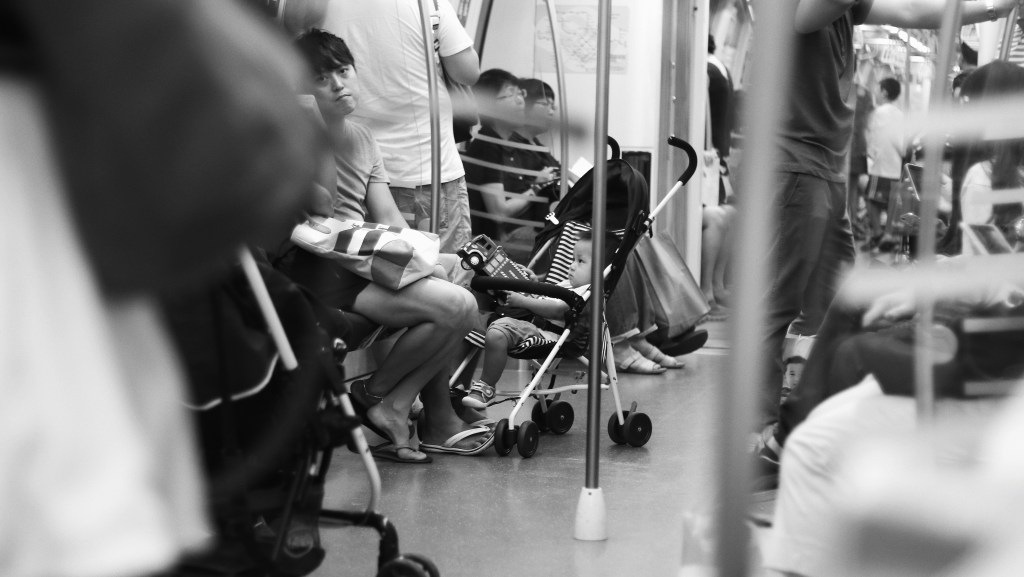
Structural Discrimination Within Public Systems: Sanitary, Private Lactation Spaces as a Requirement for Environmental Justice
The article examines the systemic discrimination in American urban planning and commercial real estate regarding lactation infrastructure, adversely affecting low-income and minoritized mothers. It highlights how lack of access to clean, private nursing spaces exacerbates health disparities and proposes integrating such facilities into public transit and retail environments to promote maternal and infant health equity.
-

The Public Health Shift: How Europe is Leading the Way with Child-Centered Infrastructure
American urban planning has historically prioritized automobiles and adult consumers, often neglecting children. In contrast, European cities incorporate child-friendly designs that promote health and development through safe play areas and reduced traffic. By prioritizing family-inclusive infrastructure, the U.S. can address rising childhood health issues, creating healthier communities for future generations.
-

The Architecture of Belonging: How Public Infrastructure Shapes How We View Children
Public spaces often exclude children, leading to parental stress and isolation. To foster healthy development and community inclusion, it’s essential to redesign urban environments to accommodate children’s natural behaviors. By integrating child-friendly infrastructure, we can reduce stigma, promote self-regulation, and build a society where children and families truly belong.
 Cyrus Community Development