The physical design of our neighborhoods dictates who can safely and comfortably navigate public life. Across lower-income and urban communities, a critical piece of public infrastructure is routinely missing: clean, dignified, dedicated spaces for mothers to feed their children or express milk.

Lack of Infrastructure Equals Lack of Care
The Environmental Justice for Mothers and Infants Initiative exists to advocate and implement solutions for accessing safe, sanitary, and private spaces to breastfeed or bottle feed a baby, especially in low-income areas.
National public health data reveals that the lack of family-inclusive infrastructure in lower-income urban areas disproportionately harms Black, Indigenous, and Hispanic families.
Lack of accessible breastfeeding infrastructure forces many mothers to choose between biological safety and public participation.
Currently, a glaring spatial disparity exists between neighborhoods:
- Middle- and High-Income Neighborhoods: Commercial developments, modern workplaces, and community spaces more often feature private wellness rooms, dedicated lactation pods, and family-inclusive amenities.
- Lower-Income Urban Neighborhoods: Public facilities, transit stops, and local commercial spaces rarely provide non-bathroom nursing infrastructure, creating severe health and logistics burdens for residents.
Racial Inequities in Infrastructure Access
Public health research shows that Black infants have the lowest rates of breastfeeding initiation and duration of any major demographic, with only 19 percent exclusively breastfed at six months compared to nearly 27 percent of White infants. This disparity is heavily driven by structural neglect in under-resourced neighborhoods, often termed first food deserts, where public facilities, transit hubs, and commercial buildings completely lack dedicated, non-bathroom spaces for infant care.
Furthermore, working-class parents in these communities are statistically more likely to work hourly positions without private office access, making them entirely dependent on whatever infrastructure exists in the surrounding built environment.
When under-resourced, predominantly Black and Brown neighborhoods are systematically constructed without basic caregiving infrastructure, the built environment actively reinforces generational health disparities. Indigenous mothers face similar structural hurdles, with breastfeeding rates hovering well below national averages due to a scarcity of supportive physical facilities in urban centers and rural communities.
Since Black and Indigenous infants face higher baseline risks for premature birth and infant mortality, they biologically benefit the most from the immunological protections of breast milk. Lack of safe, sanitary spaces to express milk or breastfeed in is a form of environmental racism that exacerbates chronic disease across entire communities.
The Biological Chain Reaction: From First-Food Deserts to Health Issues
When a neighborhood lacks accessible, sanitary spaces to express milk or nurse, the consequences extend far beyond immediate inconvenience. Parents navigating these infrastructure deserts are frequently forced into premature weaning and early cessation of breastfeeding.
Skipping or delaying pumping sessions due to a lack of clean space signals the body to slow down milk production, leading to a rapid drop in supply. To ensure their infant is fed, parents must transition to formula feeding far earlier than intended.
This forced early transition creates a direct health cascade:
- Impact on Infant Health: Early cessation deprives infants of vital immunological antibodies found in breast milk. Infants who transition early to formula face statistically higher risks of chronic ear infections, respiratory illnesses like asthma, gastrointestinal issues, and Sudden Infant Death Syndrome (SIDS).
- Impact on Maternal Health: For the lactating parent, premature cessation interrupts natural hormonal regulation. This abrupt stop increases long-term risks for cardiovascular disease, type 2 diabetes, ovarian cancer, and breast cancer, while also compounding post-partum physical stress and anxiety.
The physical architecture of a neighborhood has become an active driver of chronic disease and health inequity.
The Environmental Health Hazard
Treating public restrooms as makeshift infant feeding spaces introduces severe biological risks. Public health studies document that commercial toilet flushes generate aerosolized plumes containing fecal particles, bacteria like E. coli, and airborne viruses that settle onto surrounding surfaces within minutes.
Preparing infant bottles or prolonged exposure while breastfeeding in a space showered by aerosolized bacteria is a violation of environmental safety. Infant nutrition deserves the same biological protections as any other food source.
Food Safety Rule: Federal codes prohibit preparing food in a public bathroom. Infant milk must be held to that exact standard of biological cleanliness.
When parents reject the hazards of a restroom stall, many retreat to parked cars, but this workaround presents ergonomic challenges, removes dignity, and physically isolates mothers from the civic and economic life of their communities. For mothers who rely on public transit, using a vehicle as a semi-private option to breastfeed is not an option, leaving them with only three options: vulnerable exposure, utilizing contaminated public restrooms, or isolating themselves at home. This indicates that the built environment actively undermines and disregards bodily autonomy and pediatric public health.
Beyond Legal Permission: Real Bodily Autonomy
Under Minnesota Statute Section 145.905, mothers have the legal right to breastfeed in any public or private location. But what if they don’t want to?
While this legal protection is necessary, permission alone does not equal support.
True bodily autonomy requires having real choices.
- Public Feeding: Some mothers feel comfortable feeding in open public spaces.
- Dignified Privacy: Other mothers require a quiet, low-stimulation environment to prevent infant feeding distraction or simply prefer to not expose themselves and their infant around strangers in this way.
Relying on public feeding laws as a substitute for actual physical infrastructure is a band-aid. Mothers should not be forced to choose between public exposure and a contaminated restroom stall.
What Environmental Justice Looks Like for Mothers and Infants
Eliminating Biological Exposure Hazards in Public Infrastructure
Replacing bathroom stalls and unsanitary spaces with clean facilities that meet standard public health codes.
Example: Retrofitting a community center in a low-income neighborhood with a dedicated, non-bathroom lactation room equipped with a deep sink for washing pump parts and sealed, non-porous surfaces.
Proactively Distributing Infrastructure Across Commercial Spaces
Ensuring under-resourced business districts receive the same baseline investment in family infrastructure as affluent developments.
Example: Partnering with small business owners along urban transit corridors to install compact, climate-controlled nursing pods inside local retail shops and transit hubs.
Protecting Bodily Autonomy & Health Outcomes for Priority Populations
Preventing forced premature weaning by giving Black, Indigenous, and lower-income parents the physical space required to sustain lactation, reducing long-term health disparities.
Example: Establishing quiet, private lactation spaces within neighborhood community colleges so student parents can express milk between classes rather than dropping their supply or quitting their programs.
Addressing this systemic gap and ensuring environmental justice requires a coordinated strategy rooted in community data and physical execution.
How We’re Addressing Environmental Injustices In Our Community
Center for Youth, Research, and Unified Systems (CYRUS)
Researching & Connecting the Dots
CYRUS studies how physical architecture impacts maternal mental health and pediatric development. We pull together research across public health, environmental psychology, urban design, and more to map the true toll of environmental stress. We use this data to advocate for long-term policy shifts, pushing to rewrite municipal and commercial design standards so that family-inclusive infrastructure becomes a structural requirement.
Cyrus Community Development
Implementing the Solutions
Through our Spatial Equity and Environmental Justice Initiatives, Cyrus Community Development works directly with business owners to audit their spaces and implement our tiered family-inclusive certification system. We help public spaces transform into welcoming, low-stress environments by disrupting the old standards of design, working to ensure children have a beautiful, supportive, and equitable world to grow up in.
CYRUS Solutions
Here are a few of the many simple spatial equity solutions that Cyrus Community Development works to implement alongside business owners and community partners.
Dedicated Family Care Rooms
Transforming overlooked or underutilized square footage into clean, dedicated spaces outside of a standard public restroom.
These rooms provide a calm environment equipped with comfortable seating for nursing, a sink, and high-quality changing stations available to all caregivers.
Stroller-Accessible Layouts
Adjusting floor plans and retail layouts to guarantee wide, continuous clearance paths.
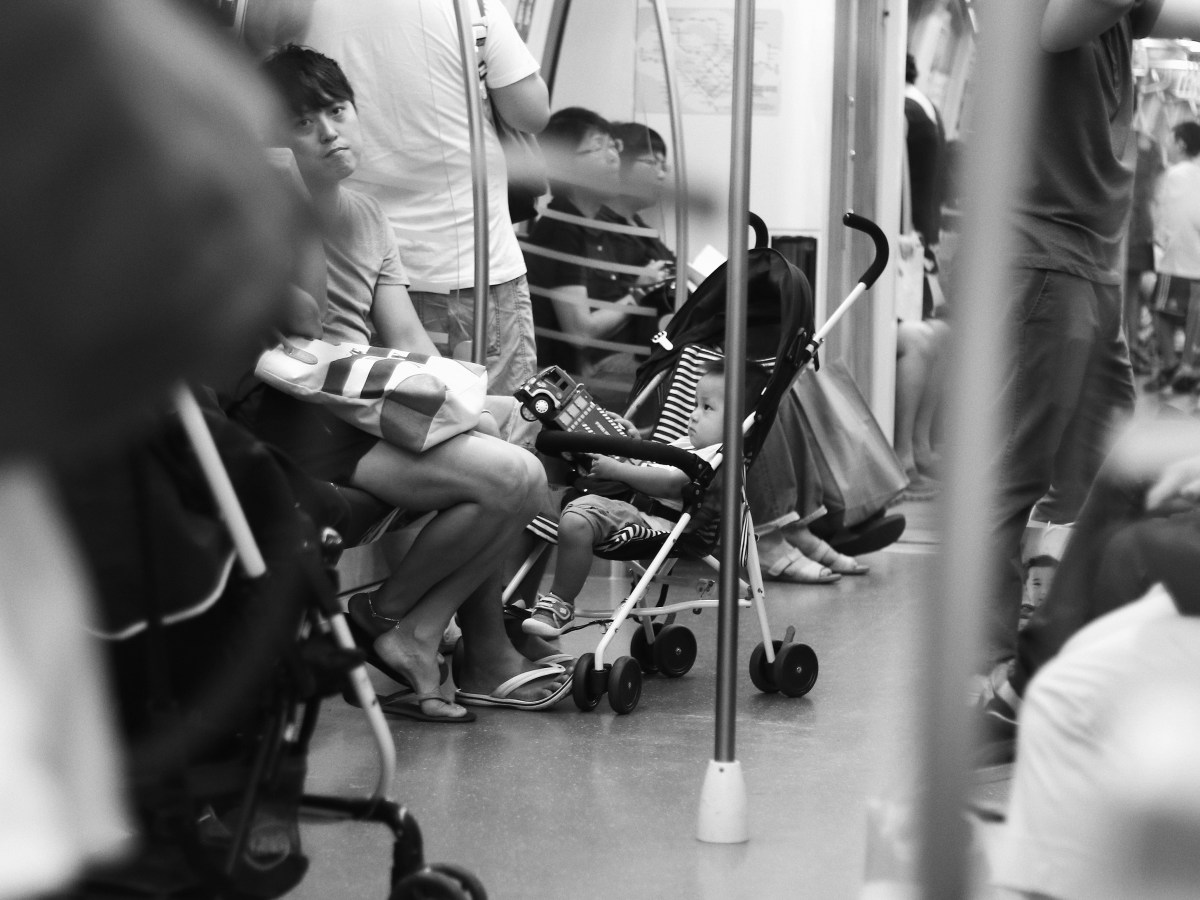
This includes removing tight corner barriers, keeping checkout lanes spacious, and ensuring main entrances feature automatic doors or zero-step thresholds so navigating with a stroller or wagon is completely seamless.
Dedicated Children’s Areas & Activities
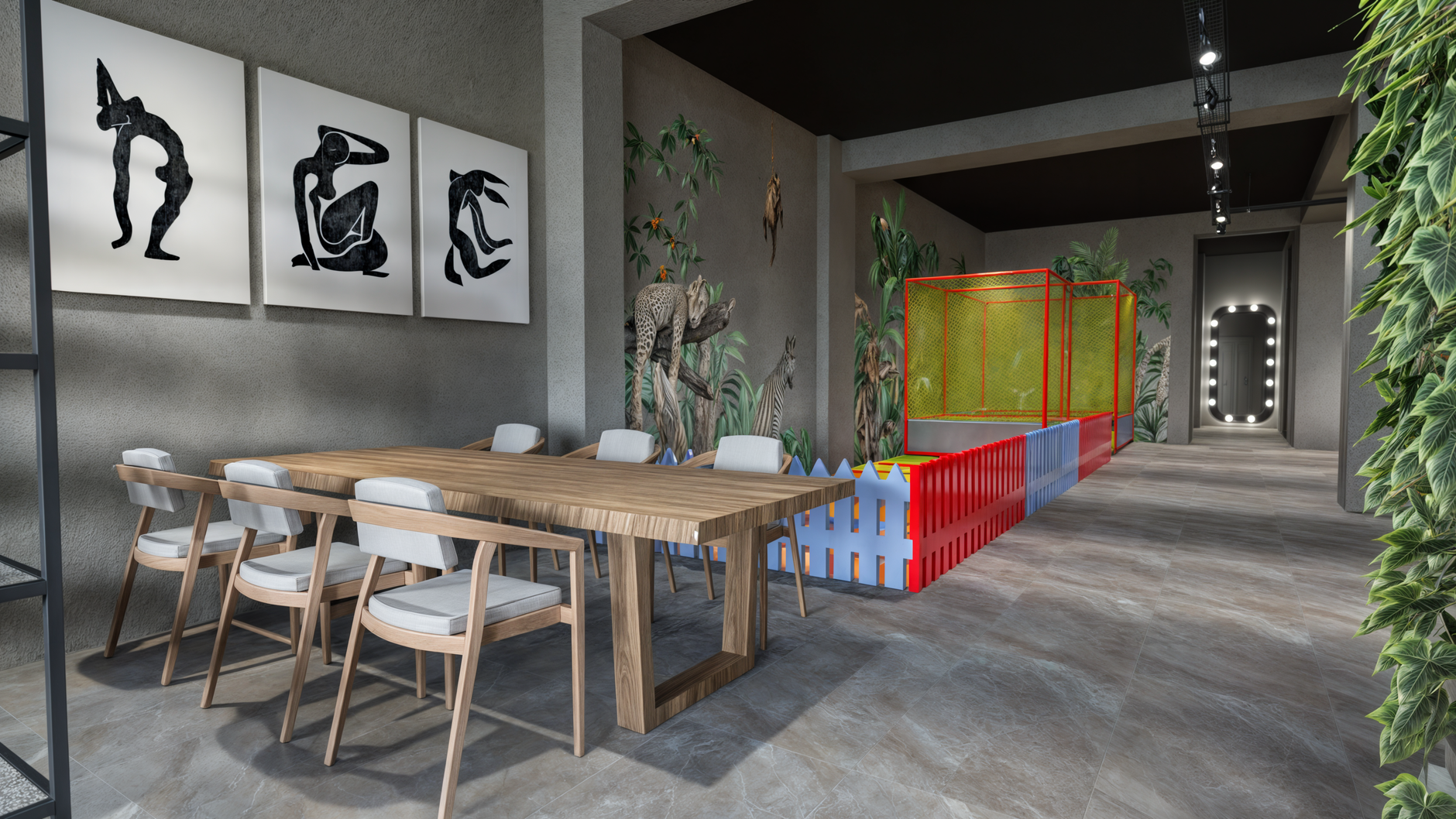
Creating low-maintenance, welcoming spaces within businesses where children can safely engage their minds. We help integrate child-height tables and chairs, shelves stocked with books, puzzles, and coloring materials, and on special occasions, add play kitchens!
These areas give children a space to support their healthy development while allowing parents the breathing room to browse, shop, or take care of business without constant stress.
Explore Our Research & Impact


How We’re Helping Our Communities
Addressing Social Determinants of Health

Creating systems that unify communities and improve maternal-child outcomes.
Applied Public Health Research

Studying the built environment’s impact on maternal mental health and child development.
Community Directory for Families

Mapping Twin Cities local places with and without private nursing areas, changing tables, and other family-inclusive amenities.
Advocating for Environmental Justice

Reducing systemic disparities so all mothers can access dignified, hygienic spaces to breastfeed, regardless of race or income level.
Business Insights



Family-Inclusive Spatial Audits
Cyrus Community Development conducts Family-Inclusive Spatial Audits to provide local businesses with a comprehensive review of their physical environments to identify and eliminate the hidden stress points and barriers caregivers face.
By evaluating layout navigation, sensory impacts, and the accessibility of basic care infrastructure, we show property owners exactly how to transform their spaces into welcoming environments for young families.
Businesses that have or successfully implement these spatial equity solutions earn our specialized Cyrus Family-Inclusive Certification™, signaling to the community that they actively support the dignity and health of mothers and children.
Partner with us
We welcome anyone who resonates with our mission of ensuring a better world to grow up in to reach out and connect with us.
Explore Our Strategic Spatial Design Solutions for Businesses
Experiential Design & Brand Activations
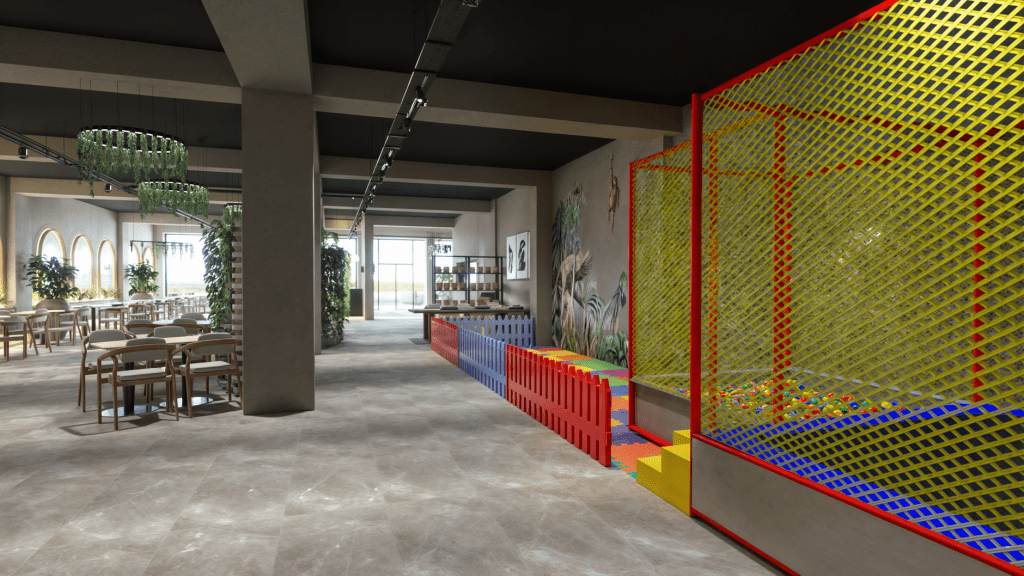
We design custom, interactive parent-child play areas and caregiver spaces that turn standard commercial properties into highly sought-after community destinations.
Turnkey Family Programming & Events

Engaging, curated weekend and holiday weekend programming. We manage the entire activation from concept to execution, driving immediate and repeat foot traffic to your venue.
 Cyrus Community Development